How long does a car battery last? Understand the real lifespan
The lifespan of a car battery varies depending on usage, climate, and the condition of the electrical system. Although there is an average, each vehicle may behave differently.
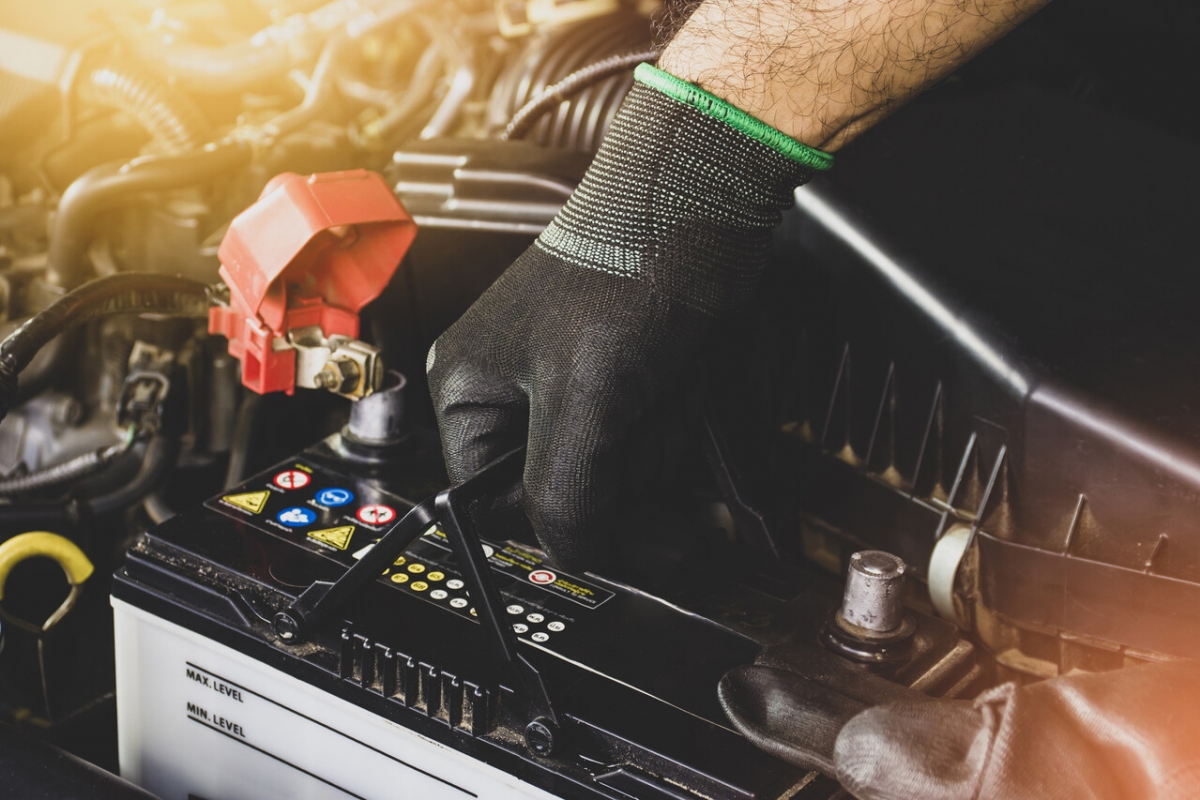
How long does an automotive battery last?
An automotive battery lasts, on average, 2 to 4 years.
This period may increase or decrease depending on how the vehicle is used.
Why does a battery last more or less time?
Because battery lifespan is influenced by driving habits, temperature, and maintenance quality.
Factors that reduce battery life:
- Very short daily trips
- Excessive heat in the engine bay
- Heavy use of electrical accessories
- Low alternator charging output
- Vehicle left unused for long periods
Does climate affect battery lifespan?
Yes. Extremely hot or cold regions tend to wear out batteries faster.
- Heat: accelerates electrolyte loss
- Cold: makes it harder to deliver energy during engine start
Cars in hot regions usually have a shorter battery lifespan.
Does driving less make the battery last less?
Yes. Batteries used mainly for short trips don’t receive enough charge from the alternator.
This is very common in urban driving or when the car is used only for short, few-minute trips.
How can you tell if the battery is nearing the end of its life?
The most common signs are slow starting, dim headlights, dashboard flickering, and multimedia system restarts.
You can check the full list here: Signs of a weak battery
Identifying these signs helps avoid being stranded.
Does the car’s behavior change near the end of the battery’s life?
Yes. The battery loses its ability to store charge and begins to show intermittent failures.
This means it may work fine one day and fail the next, especially on cold mornings or after long periods parked.
Does testing the battery help predict replacement time?
Very much so. Voltage and load tests reveal when capacity is below ideal.
The most common tests are:
- Resting voltage check
- Simulated load test
- Charging system (alternator) test
These procedures help identify wear before total failure occurs.
In summary, a car battery lasts on average 2 to 4 years, and may vary depending on:
- Climate
- Daily use
- Alternator condition
- Number of starts
- Proper maintenance
Replacing the battery at the right time prevents unexpected failures.
In addition, batteries like those from Tudor Batteries undergo standardized performance tests and tend to maintain more predictable behavior throughout their lifespan, making it easier to identify when replacement is needed.
If, after noticing the signs and test results, you determine it’s time to replace the battery, contact Tudor. Specialized technical support can help you choose the right battery.
Read also

What happens when a car sits unused for a long time?
Not every vehicle is driven long distances every day. Many people own a second car, use their vehicle only on weekends, or leave it unused during extended trips. Although this situation may seem harmless, long periods without use can directly affect the automotive battery. Even with the engine turned off, some vehicle systems continue to consume power, and the battery itself naturally loses charge over time. If this period is prolonged, the risk of discharge, sulfation, and reduced service life increases significantly. Understanding what happens when a car remains unused for a long time helps preserve the battery and avoid surprises when it is time to use the vehicle again.
Continue reading
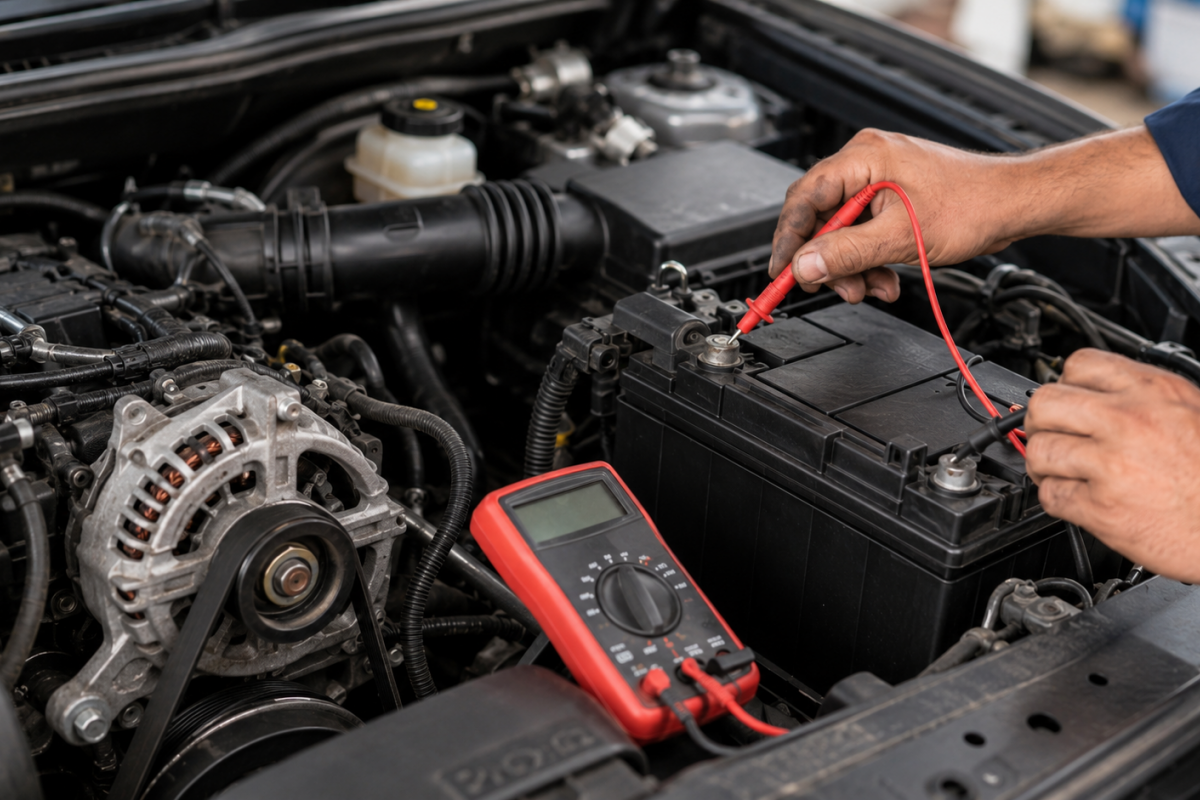
Automotive battery and alternator: what is the relationship between them?
It is common for a driver to experience difficulty starting, find the battery dead, and quickly conclude that it is time to replace it. However, the problem is not always the battery. The battery and the alternator work together to keep the vehicle's electrical system running correctly. When one of these components fails, the other ends up being affected as well, which can generate very similar symptoms and make diagnosis difficult. Therefore, understanding how the battery and alternator work together is essential to identify the source of possible failures and ensure that the electrical system operates safely and efficiently. When the battery needs to be replaced, it is also important to check whether the charging system is operating correctly to preserve the performance of the new component.
Continue reading
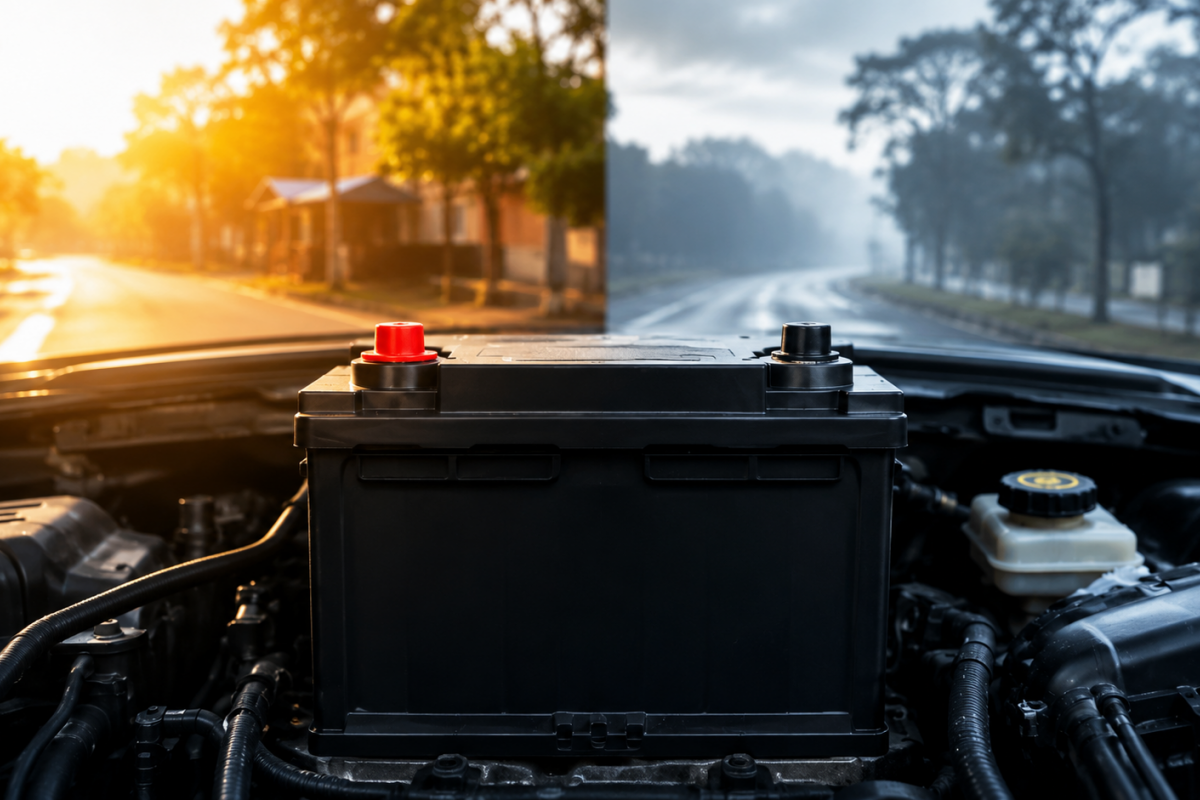
How temperature influences the useful life of the automotive battery
The automotive battery is constantly exposed to different environmental conditions. In some regions, intense heat predominates for much of the year. In others, lower temperatures become a challenge for the vehicle's electrical system. Although many drivers associate battery problems only with usage time, temperature is one of the factors that most influences its durability and performance. Both excessive heat and intense cold affect the chemical reactions that take place inside the battery, accelerating wear processes and reducing its ability to supply energy.
Continue reading