Best Battery for the Fiat Argo: The Exact Spec for Each Version
The Fiat Argo marked a new technological phase for Fiat in Brazil. Even entry-level trims include electric power steering, infotainment systems, and electronic modules connected through internal communication networks. That means the battery is no longer only responsible for engine starting. It now plays an essential role in voltage stability, keeping all systems operating correctly. Choosing the right battery for the Argo requires attention to the engine option, equipment level, and the battery’s ability to maintain stable voltage during cranking.

What’s electrically different in the Fiat Argo?
Unlike older compact cars, the Argo features:
- Electric power steering
- An infotainment unit sensitive to voltage variations
- Comfort and safety modules connected across the vehicle
- Sensors that constantly monitor vehicle operation
Voltage drops below certain thresholds can cause:
- Infotainment reboots
- Temporary dashboard warnings
- Lighting flicker
- Momentary steering stiffness right after starting
That’s why CCA is one of the most important factors in the selection process. The concept is detailed in the article on what battery CCA means.
Technical specs by engine
It’s always best to check your owner’s manual for your exact trim, but specs typically follow this pattern:
| Version | Engine | Capacity (Ah) | Minimum CCA |
|---|---|---|---|
| Argo Drive 1.0 | 1.0 Firefly (3-cyl) | 45Ah–50Ah | 380A–440A |
| Argo Drive / Trekking 1.3 | 1.3 Firefly (4-cyl) | 50Ah–60Ah | 440A–510A |
| Argo Precision / HGT | 1.8 E.torQ | 60Ah | 480A–540A |
Technical note: Some specific Argo versions sold in Europe use Start-Stop systems and require EFB batteries. However, Brazil-built versions typically use standard (flooded) batteries, with emphasis on higher CCA to support electric power steering.
The role of CCA in electric steering stability
The Argo’s electric power steering demands current spikes right after startup.
If CCA is degraded or undersized, you may experience:
- Momentary steering wheel stiffness
- Infotainment reboots
- Intermittent warning lights
Maintaining adequate CCA helps ensure the vehicle’s system voltage doesn’t drop below the critical threshold during starter motor load.
Urban use and short trips
The Argo is primarily an urban vehicle.
Short routes and heavy traffic lead to:
- Frequent starts
- Partial battery recharging
- Higher overall system stress
This pattern can cause situations where the battery drains quickly even without a structural defect. This topic is explored further in the article on why a car battery drains fast.
Reserve Capacity (RC): an often-overlooked advantage
Reserve Capacity indicates how long the battery can keep essential systems running if the alternator stops charging.
In urban vehicles with many accessories on standby, adequate RC helps preserve enough energy for the next start.
For owners who have installed additional accessories, it may be technically viable to choose a 60Ah battery (within physical and electrical compatibility), as explained in the guide on which battery to buy for my car.
Physical standard and correct installation
The Argo uses the DIN standard with a B13 base hold-down.
It’s essential to verify:
- Correct dimensions
- Secure mounting
- Correct polarity
Cable reversal or improvised adaptation compromises electrical safety.
Incorrect installation is one of the factors that reduce battery service life, as explained in the article on mistakes that shorten battery life.
If replacement is needed, follow the correct procedure described in the automotive battery replacement guide.
Conclusion
In summary, the best battery for the Fiat Argo is the one that matches:
- Engine option
- Original capacity (Ah)
- Recommended minimum CCA
- Correct physical standard
- Use profile
In a vehicle with electric steering and multiple electronic modules, voltage stability is just as important as cranking power.
Tudor offers batteries developed to meet the Argo’s electrical demands, ensuring reliability and performance.
If you’re unsure about the correct application for your version, contacting Tudor’s technical team is the safest way to avoid mistakes during replacement.
Read also
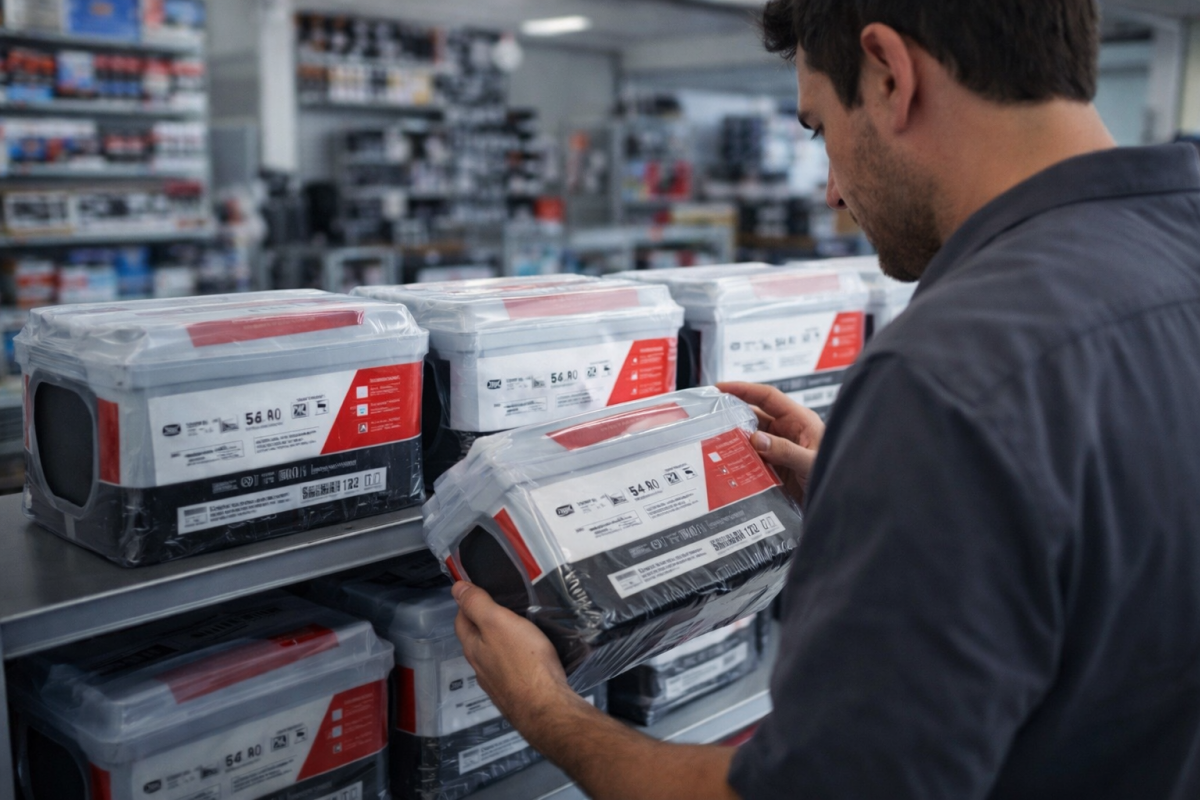
Automotive battery price: what influences the final value
The price of an automotive battery can vary significantly, even among models that seem similar. This happens because the value does not depend only on the brand, but also on factors such as capacity, starting current, technology, and application. In practice, looking only at the lowest price can lead to the wrong choice. To buy well, the ideal approach is to understand what really changes from one battery to another and why this impacts the final value.
Continue reading
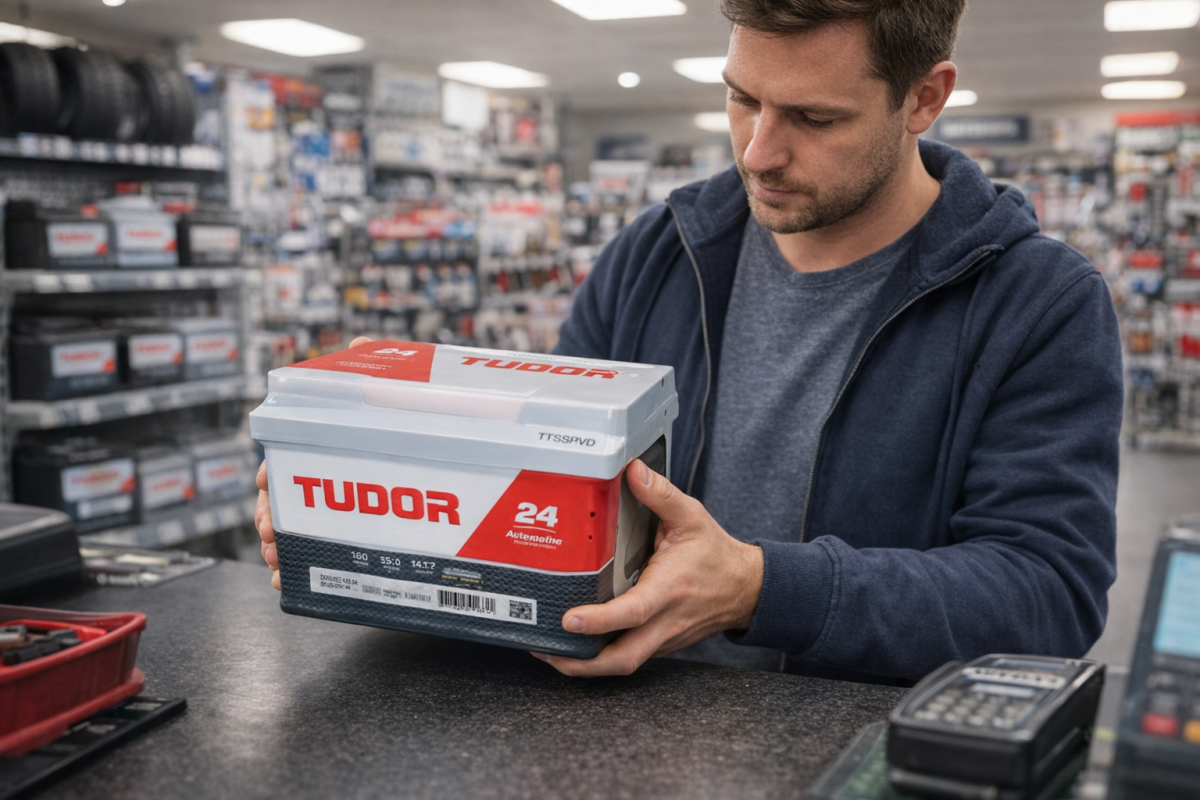
How to buy an automotive battery safely
Buying an automotive battery safely requires more than comparing prices or choosing a similar-looking model. To make the right choice, it is important to check the correct application, the battery specifications, and the product’s origin. When this analysis is not done, the risk of buying an incompatible battery increases, with performance below expectations or lower durability in the vehicle.
Continue reading
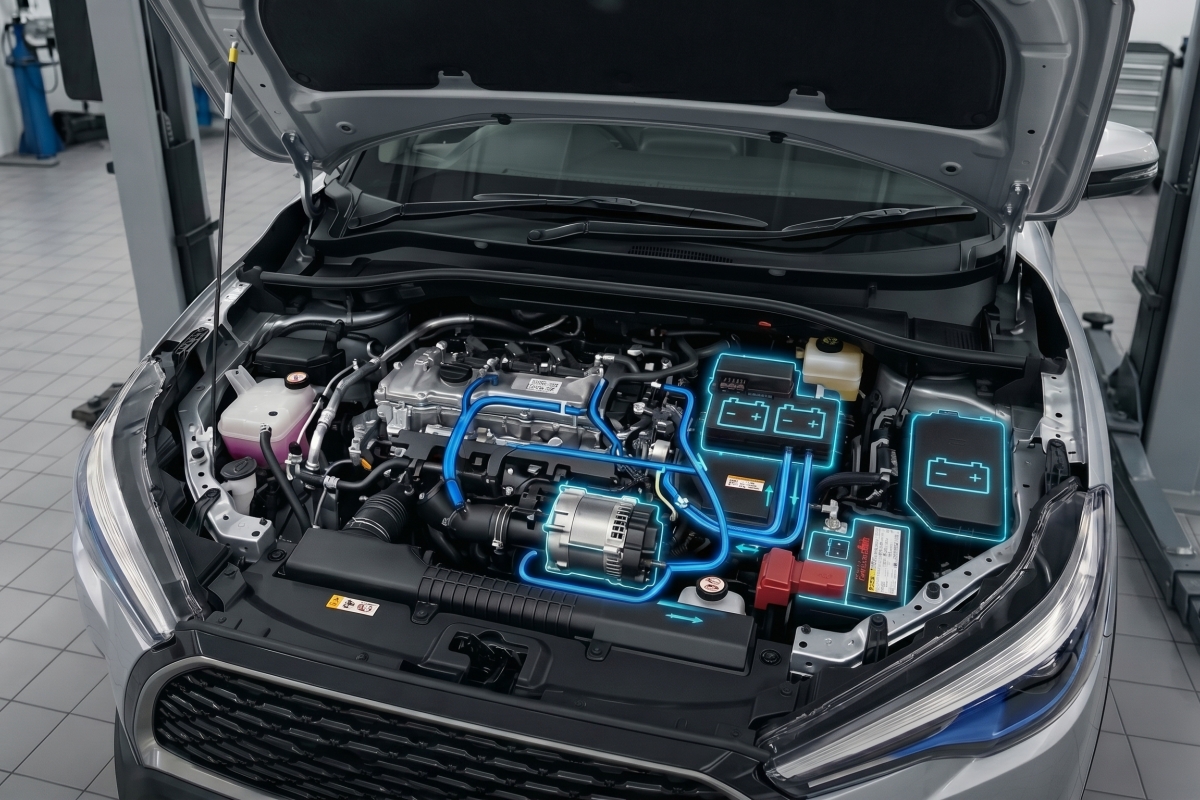
Mild Hybrid Systems (MHEV) of 48V: What changes in the battery?
Understand how 48V mild hybrid systems (MHEV) work, their interaction with the traditional 12V battery, and the electrical care these cars require.
Continue reading