How to Tell If Your Motorcycle Battery Is Bad: Real Warning Signs
A motorcycle battery rarely stops working suddenly. In most cases, it shows clear signs of wear before a complete failure — but these signs are often ignored until the bike simply won’t start. Since motorcycles have smaller batteries and more sensitive electrical systems, identifying these symptoms early is essential to avoid unexpected problems, especially for bikes used daily. In this article, you’ll learn how to tell if your motorcycle battery is bad, which signs truly indicate wear, and when the issue stops being occasional and becomes structural.
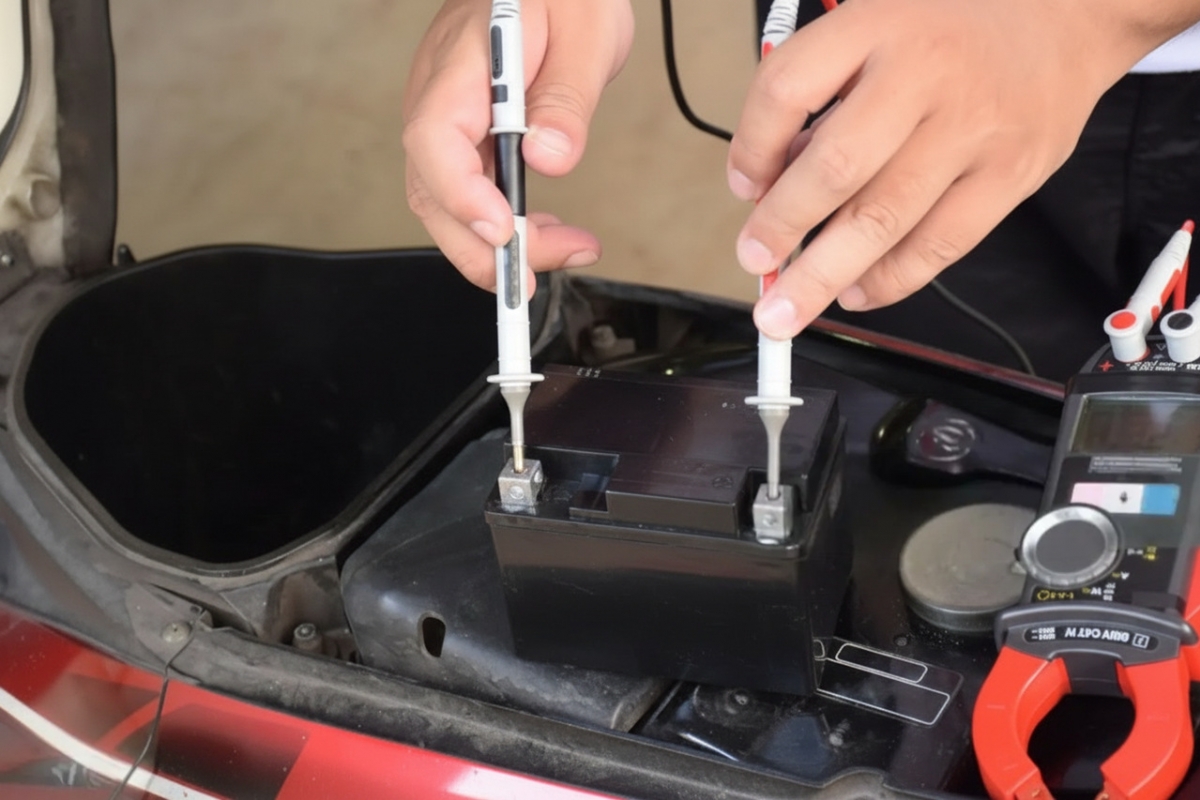
What Are the First Signs of a Weak Motorcycle Battery?
The first signs usually appear gradually. The motorcycle still starts, but its electrical behavior is no longer the same.
The most common symptoms include:
- Slower or heavier starting
- Dashboard taking longer to light up
- Dimmer lights at idle
- Needing to rev the throttle for the engine to start
These signs show that the battery is no longer supplying energy consistently, even if it still works at times.
When Does Starting Difficulty Indicate Battery Wear?
Recurring starting difficulty is one of the clearest signs that the motorcycle battery is losing efficiency. This usually happens more often after the bike has been sitting for a few hours or overnight.
In many cases, this behavior is related to the end of the battery’s lifespan, a topic we explain in detail in the article What Is the Lifespan of a Motorcycle Battery?. When a battery approaches the end of its cycle, it may still accept a charge, but it cannot retain it for long enough.
Are Dim Lights and an Unstable Dashboard Signs of a Bad Battery?
Yes. Since a motorcycle’s electrical system is simpler than a car’s, voltage fluctuations are easier to notice.
When the battery starts to fail, it is common to observe:
- Lights flickering at idle
- Dashboard shutting off momentarily
- Turn signals, horn, or lighting malfunctions
These signs indicate electrical instability and usually appear when the battery can no longer sustain the system’s basic power demand.
Can a Bad Battery Cause the Motorcycle to Stall at Idle?
Yes, especially in motorcycles with electronic fuel injection. If the battery is weak, it may not provide enough energy to keep electronic systems operating at lower RPMs.
This symptom is common in motorcycles mainly used for short trips or left unused for long periods — situations that accelerate internal battery wear.
Does the Battery Type Influence Failure Signs?
Yes. Different battery technologies behave differently when they begin to fail.
Conventional batteries tend to lose efficiency more quickly and show more abrupt symptoms. AGM batteries usually maintain stable performance for longer, but once they reach the end of their life cycle, they also begin to show starting difficulties and electrical instability.
This difference helps explain why two motorcycles may show different symptoms under similar conditions.
Can a Battery Be Bad Even If It Holds a Charge?
Yes — and this is more common than it seems.
A battery may show apparently normal voltage after being recharged but lose energy quickly under real usage conditions. This behavior indicates internal wear and usually occurs when the battery has experienced:
- Deep discharges
- Long periods without use
- Frequent short trips
In these cases, the failure will likely repeat until the battery is replaced.
When Is the Right Time to Replace a Motorcycle Battery?
Battery replacement should be considered when:
- Starting difficulty becomes frequent
- Electrical issues persist even after recharging
- The motorcycle cannot maintain stable operation after sitting for a few days
Ignoring these signs increases the risk of complete failure during everyday situations, such as a quick stop or daily use.
How to Prevent Motorcycle Battery Problems
Some simple practices help reduce wear and extend battery life:
- Use the motorcycle regularly
- Avoid leaving it unused for long periods
- Keep terminals clean and properly tightened
- Avoid using electrical components with the engine off
These practices are especially important for urban-use motorcycles, which operate with shorter charging cycles.
How Does the Tudor Line Meet Motorcycle Demands?
Tudor motorcycle batteries are developed considering real-world riding conditions, such as constant vibration, climate variations, and the need for reliable starting power.
With AGM technology and strict manufacturing processes, they provide greater electrical stability and consistent performance throughout their service life, reducing unexpected failures.
In Summary, a motorcycle battery almost always shows warning signs before reaching the end of its life. Recognizing these signals is the best way to avoid unexpected breakdowns and ensure your motorcycle is always ready to ride.
If you notice any behavior outside the norm, checking the battery early can prevent bigger issues. If you are unsure about the right time to replace it or which battery is ideal for your motorcycle, seeking specialized technical assistance is the safest way to make the right decision.
Read also

Ideal motorcycle battery for Honda NXR Bros: how to choose correctly from 125 to 160 cc
The Honda NXR Bros is one of the most versatile motorcycles in the Brazilian market. Designed for mixed use, it can easily handle both urban environments and dirt roads or uneven routes. This characteristic causes the Bros battery to work under more severe conditions than motorcycles used exclusively in urban environments. In addition to frequent starts from daily use, the motorcycle also faces constant vibration, impacts, dust, heat, and shaking on uneven terrain. That is why choosing the correct battery for the NXR Bros goes far beyond amperage. The application needs to ensure electrical stability, vibration resistance, and starting reliability under different usage conditions. In this scenario, Tudor AGM batteries with a VRLA system were developed precisely to withstand this type of demand.
Continue reading
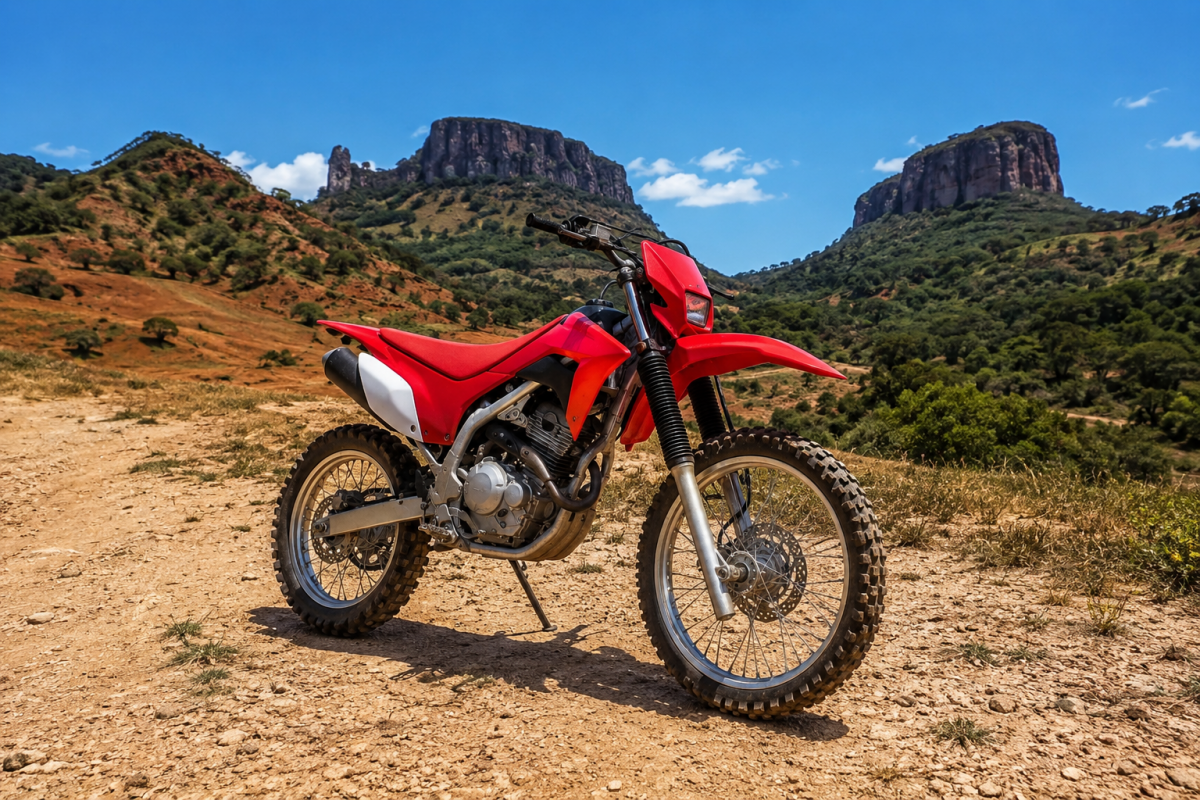
Best battery for trail and off-road motorcycles: what really makes a difference
Trail and off-road motorcycles operate under some of the harshest possible conditions for a battery. Intense vibration, constant impacts, mud, dust, heat, and extreme RPM variations make the electrical system work far beyond conventional urban use. In this scenario, the battery is no longer just a component responsible for starting. It begins to play an essential role in the motorcycle’s electrical stability, especially in models with electronic injection, ECU, and onboard electronic systems. That is why choosing the right battery for an off-road motorcycle means seeking structural resistance, electrical stability, and reliability under severe usage conditions. The Tudor motorcycle line uses AGM technology with a VRLA system precisely to withstand this type of extreme application.
Continue reading

Tudor motorcycle line: how to choose the right battery for each usage profile
Modern motorcycles demand much more from the battery than just starting power. Today, systems such as electronic injection, digital dashboards, electronic modules, and more sophisticated lighting have made electrical stability an essential factor for the correct operation of the motorcycle. In this scenario, choosing the ideal battery is no longer just a matter of physical fit. The motorcycle’s usage profile, the number of starts, the type of route, and the electrical demand directly influence the battery’s durability and performance. The Tudor motorcycle line was developed precisely to meet different levels of demand, using AGM technology with a VRLA system and specific applications for each motorcycle category.
Continue reading