Automotive battery price: what influences the final value
The price of an automotive battery can vary significantly, even among models that seem similar. This happens because the value does not depend only on the brand, but also on factors such as capacity, starting current, technology, and application.
In practice, looking only at the lowest price can lead to the wrong choice. To buy well, the ideal approach is to understand what really changes from one battery to another and why this impacts the final value.
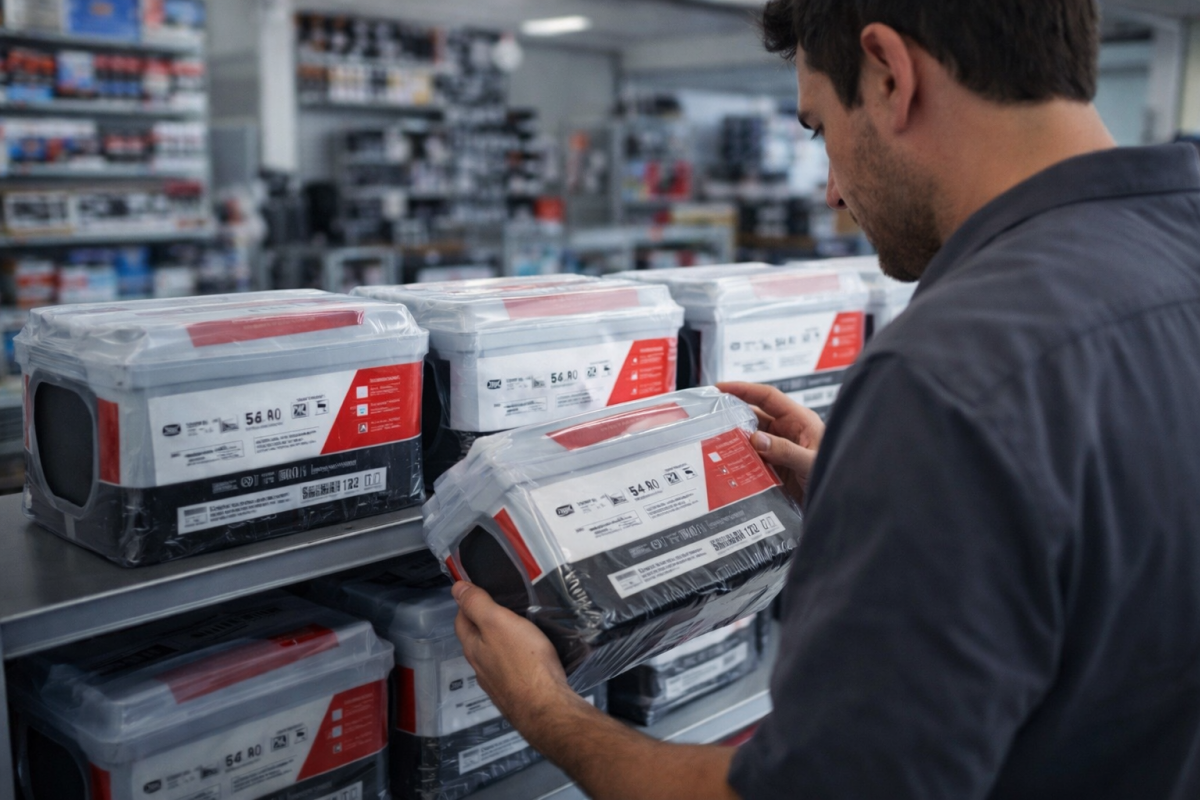
What makes the price of an automotive battery vary?
The main factors that influence the price of an automotive battery are:
- Capacity in Ah
- CCA or starting current
- Battery technology
- Dimensions and physical standard
- Vehicle type
- Level of electrical consumption
Each of these points directly interferes with the expected performance and the correct battery application. The greater the vehicle’s demand, the higher the technical level of the required battery tends to be, and this impacts the value.
Does capacity in Ah influence the price?
In many cases, yes.
Capacity in Ah is related to the energy reserve that the battery can provide. In cars with higher electrical consumption, multimedia systems, electronic modules, and onboard accessories, this reserve can be decisive for maintaining proper system operation.
For this reason, batteries with greater capacity usually have a higher value. Even so, this does not mean that the best choice is always the battery with more Ah. The most important point is to respect the specification indicated for the vehicle.
Using a battery above or below the recommended range can compromise the expected performance of the electrical system.
Does CCA change the battery price?
Yes.
CCA, or cold cranking amps, indicates the battery’s ability to deliver current at the moment of starting. This is an important specification especially in vehicles that require greater starting effort or operate with more sensitive electrical systems.
When the battery needs to deliver more starting current, its construction tends to be more robust. This helps explain why some models have a higher price, even when their dimensions are similar.
When comparing batteries, looking only at the external size is not enough. Electrical performance is also part of the value.
How does battery technology impact the value?
Technology is one of the factors that most influences the price of an automotive battery.
Vehicles without Start-Stop operate with one type of electrical demand. Cars with simple or advanced Start-Stop systems require batteries developed to withstand more charge and discharge cycles, greater electrical stability, and higher resistance under severe use.
In general, the more advanced the technology, the higher the battery value tends to be.
This happens because the battery is not being compared only by format or capacity, but by how it was designed to operate within the vehicle’s real demand.
Does the type of car interfere with battery price?
Yes.
The battery value does not depend only on the size of the vehicle. What really matters is the electrical demand of the project.
A car with more electronic modules, onboard features, Start-Stop system, or more advanced electronic management may require a specific battery. In these cases, using an inferior technology represents a technical downgrade and may reduce battery durability, in addition to compromising the operation of the electrical system.
Therefore, the correct approach is not to compare different batteries only by price, but to compare the right battery for the vehicle’s application.
What should be analyzed beyond price?
Before comparing values, it is worth analyzing the battery’s technical set.
The main points are:
- Capacity in Ah
- CCA
- Battery technology
- Dimensions
- Polarity
- Compatibility with the electrical system
- Compatibility with Start-Stop, when applicable
- Suitability for the vehicle’s level of demand
In more modern vehicles, these criteria directly affect battery durability and the operation of onboard electronics. Therefore, a technical comparison is usually safer than a comparison based only on price.
How does this appear in Tudor’s automotive lines?
In Tudor’s automotive line, the price difference follows the level of demand of the application. Batteries for vehicles without Start-Stop serve conventional applications with good starting current and reserve capacity. EFB technology, on the other hand, is recommended for vehicles with simple Start-Stop systems and intense urban use, where the battery needs to withstand a more severe routine of starts and recharges.
In addition to the technology applied in each line, Tudor stands out in Brazil for the use of laminated and expanded technology, a constructive solution that contributes to greater durability, better cycling performance, and CCA above the category.
At the highest level of demand, AGM technology is aimed at applications with advanced Start-Stop systems and greater electrical demand. In this scenario, the battery needs to offer greater electrical stability, higher cycle resistance, and consistent performance even under severe usage conditions.
Conclusion
The price of an automotive battery varies because the specifications also vary. Capacity, starting current, technology, and correct application are the factors that best explain the price difference between models.
In practice, batteries with more advanced construction meet more demanding electrical needs, and this is reflected in the price. This is what happens, for example, in the difference between batteries for conventional applications, EFB, and AGM.
Before deciding on the cheapest option, it is worth checking whether the battery meets exactly what the vehicle requires. This analysis helps avoid application errors, preserves durability, and contributes to more consistent performance in everyday use.
To compare options more safely, the guidance of Tudor’s specialized technical support can help with the correct choice, according to the car model and usage pattern.
Frequently asked questions about automotive battery price
Are EFB and AGM batteries usually more expensive?
Yes. These technologies were developed for more demanding applications, with greater cycle resistance and more electrical stability.
Is a battery with more Ah always better?
No. The battery needs to follow the correct vehicle specification. More capacity does not necessarily mean better application.
Can two batteries of the same size have different prices?
Yes. Even with similar dimensions, they may have different capacities, CCA, and technologies, which changes the final value.
Read also
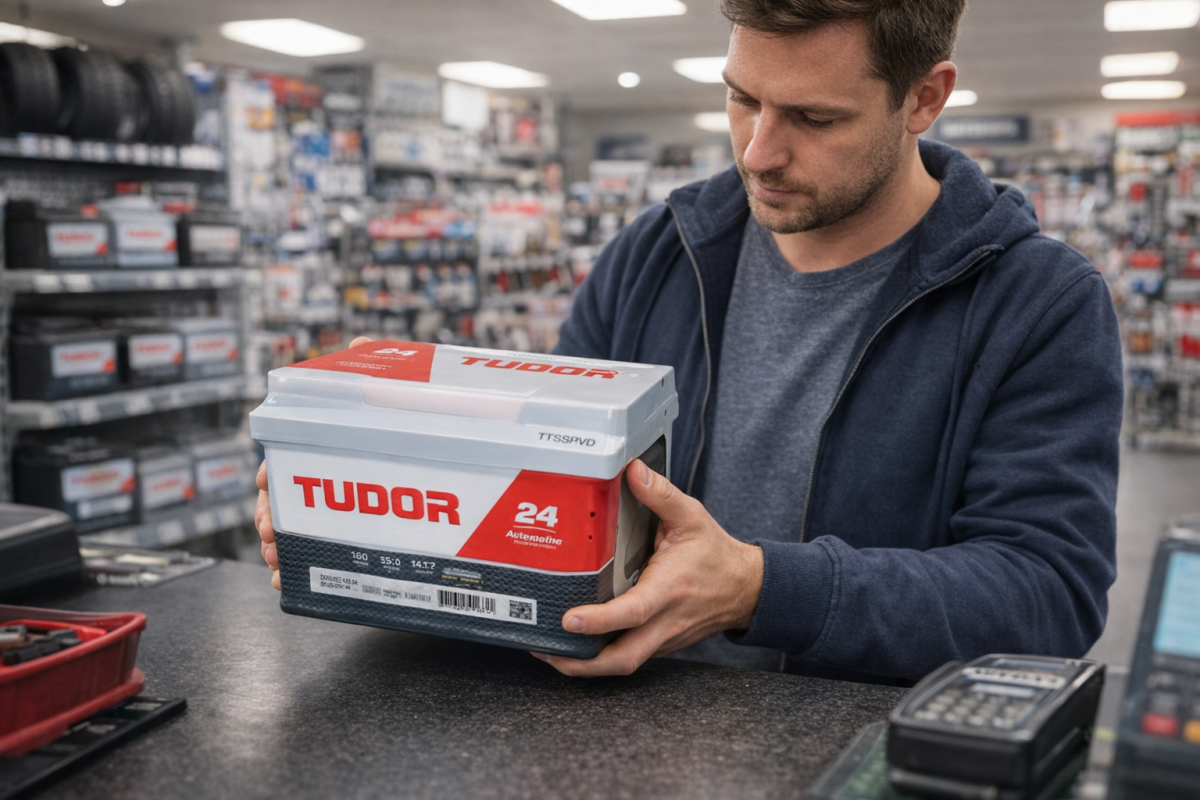
How to buy an automotive battery safely
Buying an automotive battery safely requires more than comparing prices or choosing a similar-looking model. To make the right choice, it is important to check the correct application, the battery specifications, and the product’s origin. When this analysis is not done, the risk of buying an incompatible battery increases, with performance below expectations or lower durability in the vehicle.
Continue reading
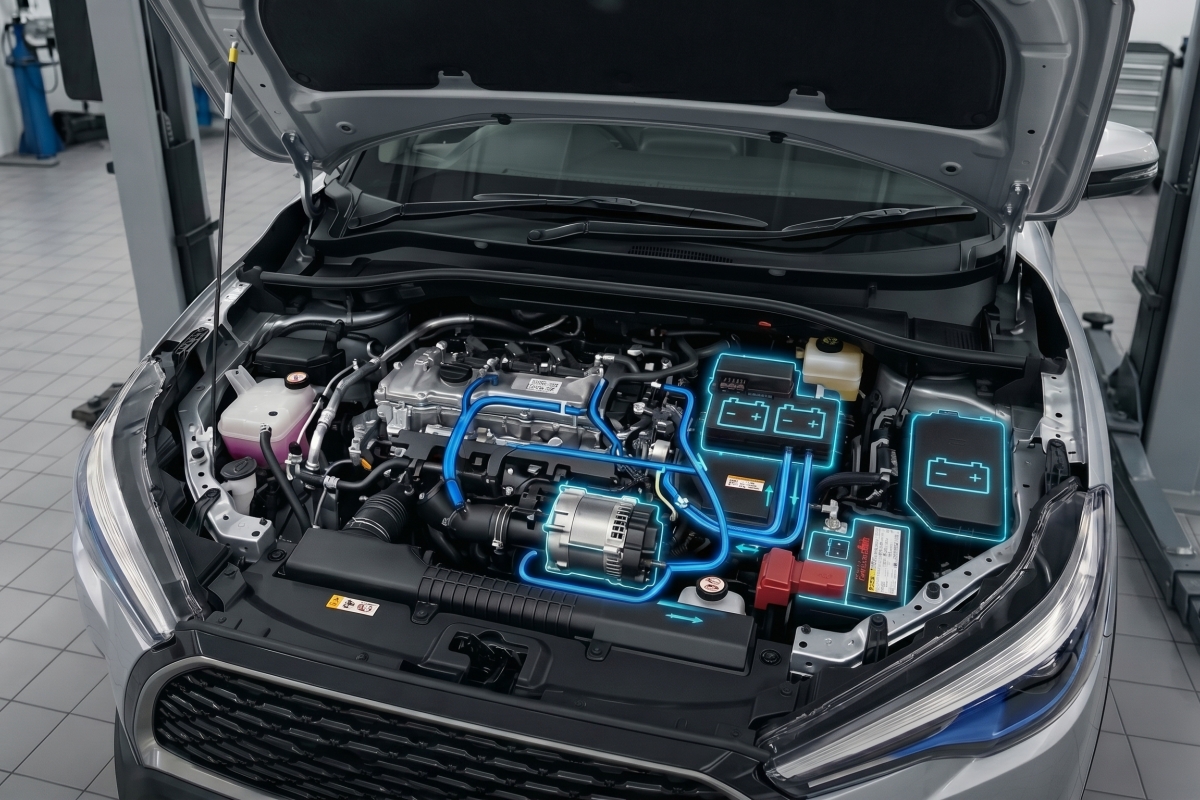
Mild Hybrid Systems (MHEV) of 48V: What changes in the battery?
Understand how 48V mild hybrid systems (MHEV) work, their interaction with the traditional 12V battery, and the electrical care these cars require.
Continue reading

VW Tukan: The new World Cup pickup and its electrical demands
Discover the VW Tukan, the official pickup of the 2026 World Cup. Understand its mild hybrid powertrains and battery requirements.
Continue reading