How to buy an automotive battery safely
Buying an automotive battery safely requires more than comparing prices or choosing a similar-looking model. To make the right choice, it is important to check the correct application, the battery specifications, and the product’s origin.
When this analysis is not done, the risk of buying an incompatible battery increases, with performance below expectations or lower durability in the vehicle.
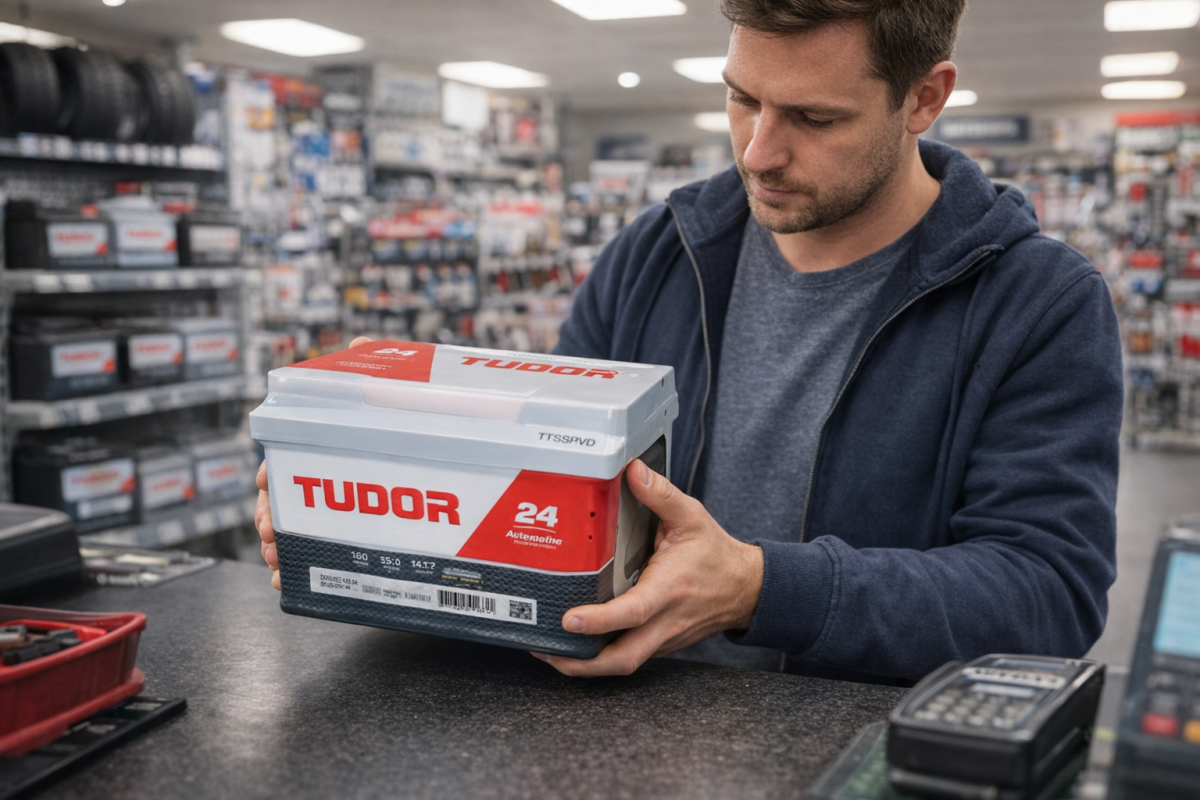
What should you check before buying an automotive battery?
The first step is to validate whether the battery is compatible with the car.
In practice, this involves checking basic vehicle information and comparing it with the battery specification indicated for the application. This care avoids replacement by approximation and helps choose the right product for the use.
Before purchasing, it is worth checking:
- Model, year, and version of the vehicle
- Battery voltage
- Capacity in Ah
- Starting current
- Part dimensions
- Terminal position
This is the same principle that guides the choice in the article about which battery to buy for my car.
Why do Ah and starting current make a difference?
These specifications directly influence the performance of the car battery.
Capacity in Ah is related to energy reserve. Starting current interferes with the ability to start the engine, especially in more demanding situations. When these data do not match the vehicle’s needs, starting failures and premature wear may occur.
In this analysis, the battery’s CCA also deserves attention, because it directly influences the vehicle’s starting capacity.
Can buying only based on the lowest price be a mistake?
Yes. Price matters, but it should not be the only criterion.
When the purchase is made by looking only at the price, the driver may end up taking a battery outside the specification, without the appropriate technology, or with lower capacity for the vehicle’s usage profile.
It is worth analyzing price together with:
- Correct application
- Technical specification
- Origin
- Warranty
- Expected durability
This type of evaluation makes even more sense in cars with accessories and onboard electronics, as we show in the content about batteries for cars with high electrical consumption.
Should origin and warranty also be evaluated?
Yes. These points help make the purchase safer.
An automotive battery needs to have a reliable origin and clear warranty information. This provides more security in the choice and reduces the risk of problems shortly after installation.
At the time of purchase, it is worth observing:
- Whether the brand is recognized in the market
- Whether the product has clear identification
- Whether the warranty is correctly informed
- Whether the point of sale provides guidance on the application
In addition, a well-made choice helps avoid situations that reduce battery service life right at the beginning of use, as we have already shown in common mistakes that reduce car battery service life.
Does the car’s usage profile affect the choice?
Yes. The way the vehicle is used can have a significant influence.
Cars that are driven little, face heavy traffic, use many accessories, or have greater electrical demand may require more from the battery. Therefore, understanding the usage profile helps choose a more suitable option and avoid early replacements.
This reasoning also helps better understand why automotive battery durability varies according to application, use, and maintenance.
Is it worth seeking specialized help before buying?
Yes, especially when there is doubt about compatibility.
Drivers do not always have all the technical information at hand. In these cases, having specialized guidance helps confirm the correct battery and reduces the risk of purchasing mistakes.
This is even more important in vehicles with Start-Stop systems, greater electrical load, or more severe use, where the correct application makes a greater difference in performance and durability.
Conclusion
Buying an automotive battery safely means choosing with criteria. Checking Ah, starting current, dimensions, terminals, origin, and the car’s usage profile helps avoid application errors and improves the chance of a more reliable replacement.
More than looking for the lowest price, the ideal approach is to confirm battery compatibility with the vehicle and understand what really makes a difference in use. This contributes to better performance, greater durability, and lower risk of failure.
To continue learning about automotive batteries and understand which model is most suitable for your car, visit Tudor’s blog and check out other technical content.
In case of doubt, seeking guidance from a specialist helps define the most suitable battery for your vehicle.
Frequently asked questions about how to buy an automotive battery safely
What do I need to know before buying an automotive battery?
It is important to check the car model, year, version, Ah, starting current, dimensions, and terminal position.
Can I buy the battery based only on price?
It is not ideal. Price should be analyzed together with compatibility, origin, warranty, and correct specification.
When is it worth speaking with a specialist?
When there is doubt about application, compatibility, or the vehicle’s usage profile, specialized guidance helps avoid purchasing mistakes.
Read also
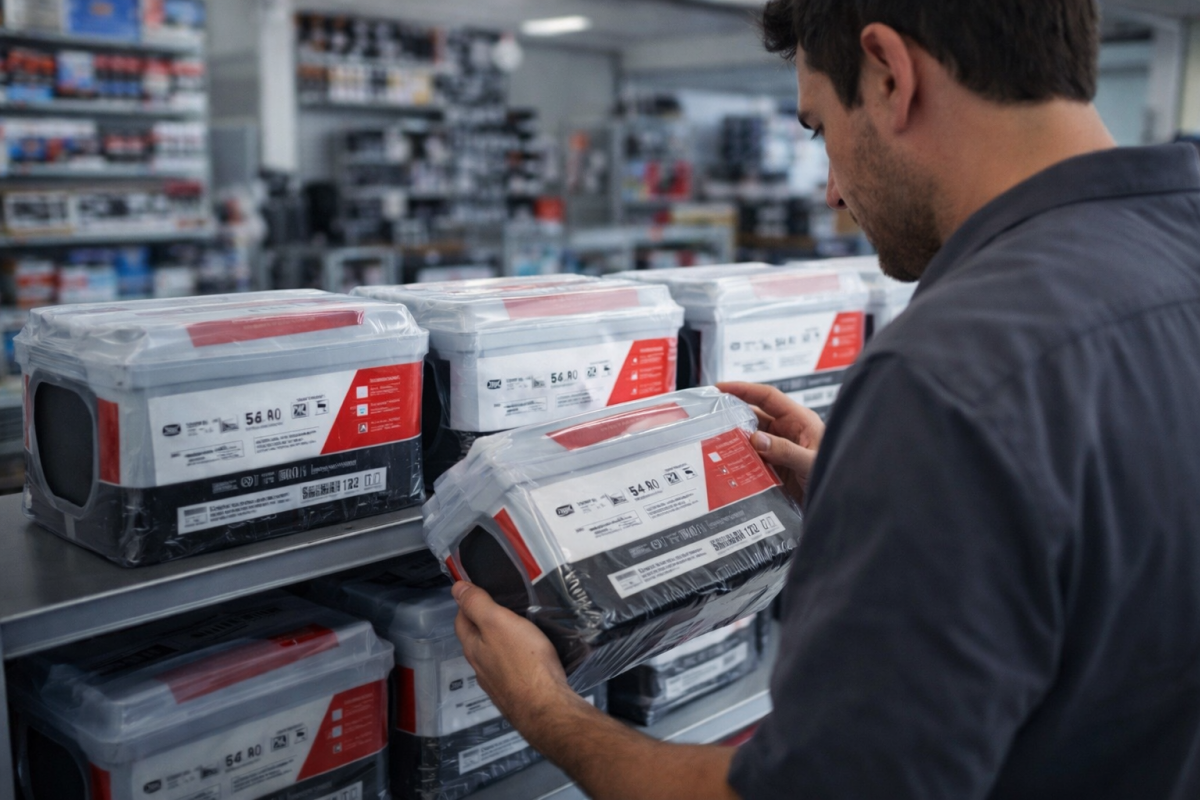
Automotive battery price: what influences the final value
The price of an automotive battery can vary significantly, even among models that seem similar. This happens because the value does not depend only on the brand, but also on factors such as capacity, starting current, technology, and application. In practice, looking only at the lowest price can lead to the wrong choice. To buy well, the ideal approach is to understand what really changes from one battery to another and why this impacts the final value.
Continue reading
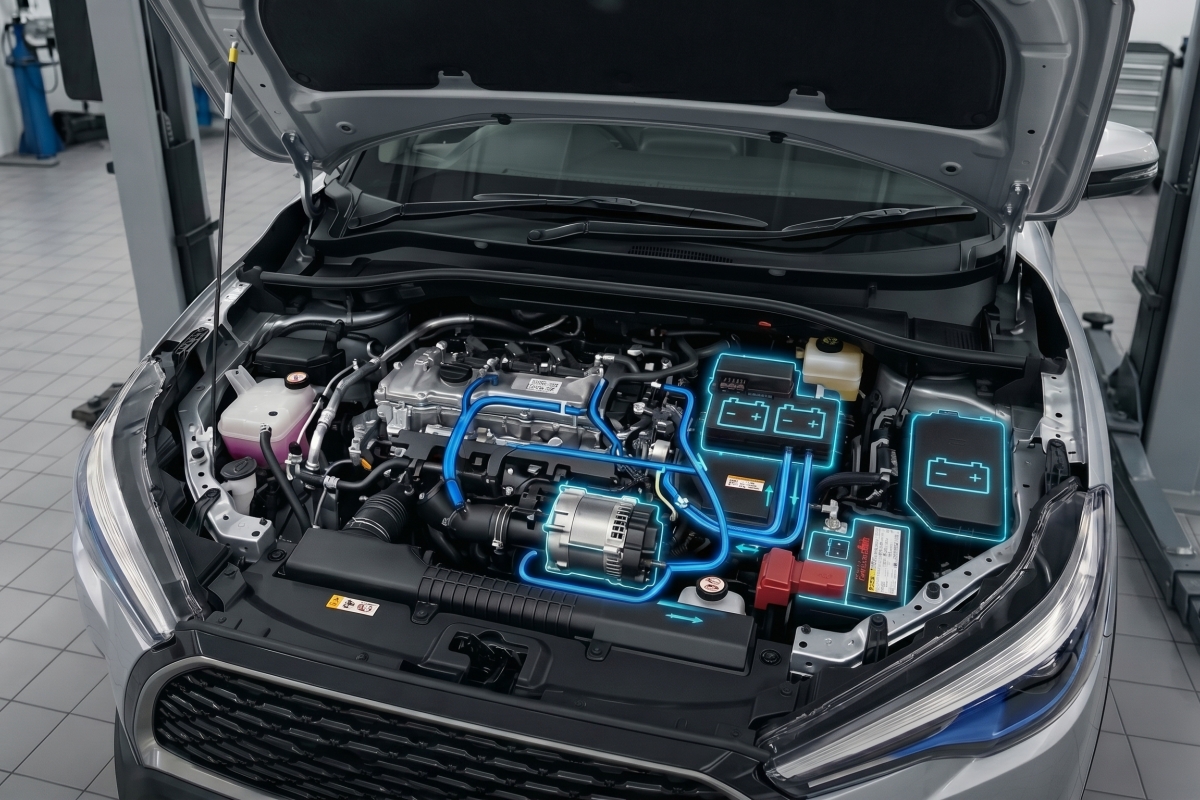
Mild Hybrid Systems (MHEV) of 48V: What changes in the battery?
Understand how 48V mild hybrid systems (MHEV) work, their interaction with the traditional 12V battery, and the electrical care these cars require.
Continue reading

VW Tukan: The new World Cup pickup and its electrical demands
Discover the VW Tukan, the official pickup of the 2026 World Cup. Understand its mild hybrid powertrains and battery requirements.
Continue reading