Is your battery draining every week? Understand what might be happening
When your car battery drains every week, this is not normal behavior, even in older vehicles. This kind of recurrence indicates improper use, an electrical problem, or battery wear. Identifying the correct cause helps avoid unnecessary replacements and allows you to fix the issue for good.
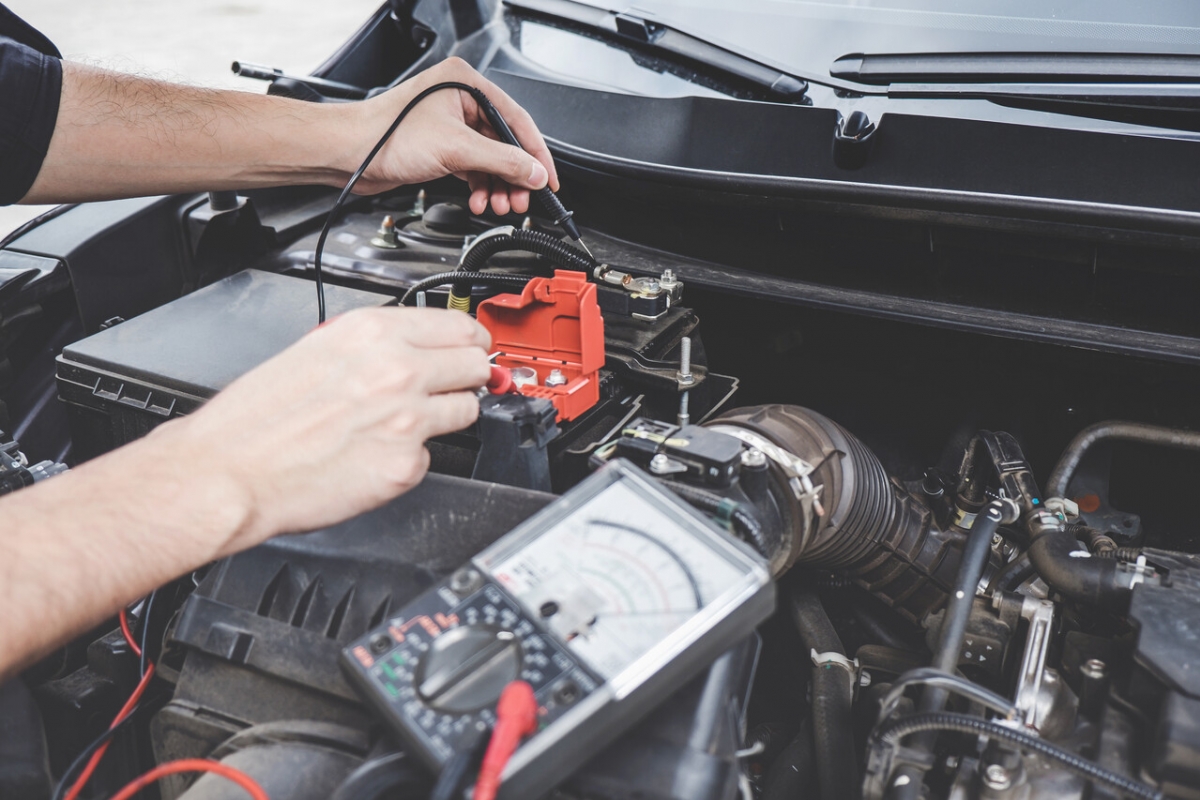
Is it normal for the battery to drain every week?
No. New, healthy batteries can last for years, and a weekly discharge usually means an “energy leak” or a failure in the charging system.
In this situation, the battery may still receive charge while the vehicle is running, but it can’t retain that charge when the car is parked—either because of excessive parasitic draw at rest or a real loss of internal capacity.
Parasitic draw: one of the main causes of frequent battery drain
Parasitic draw occurs when the car continues to consume power from the battery even when it is turned off.
Every modern vehicle has a small standby draw to maintain basic functions such as the clock, radio memory, the Smart Key (proximity key) stored near the car, and various electronic modules controlled by the ECU (vehicle’s electronic control unit). This draw is low and normally does not cause problems.
The drain begins when this consumption exceeds normal levels and continuously pulls energy from the battery.
The most common causes of excessive parasitic draw are:
- Misconfigured alarms
- Poorly installed trackers
- Aftermarket or non-standard infotainment systems
- Electrical accessories wired directly to the battery
- Poorly installed non-original accessories
- Electronic modules that fail to enter sleep/standby mode properly
This type of fault explains why many drivers find their battery dead after just a few days without using the car—quite common in vehicles that appear “normal” but keep losing charge over time.
Can limited vehicle use cause the battery to drain every week?
Yes, especially in urban driving.
Very short trips don’t allow the alternator to fully recharge the battery. Over time, this leads to recurring discharges.
This behavior is common in:
- Daily use with trips of 5 to 10 minutes
- Heavy traffic
- Vehicles with many electrical accessories
In vehicles with a proximity key (Smart Key / Keyless), this can also happen because the key prevents the car from fully “shutting down.” The key is constantly emitting or listening for signals, and the car sends radio-frequency “pings” and receives responses from the key.
This creates continuous power consumption even when the car is parked, especially if you store the key at home close to the vehicle.
This usage pattern is directly linked to reduced battery lifespan, as explained in this content about how long an automotive battery lasts.
Can alternator problems cause weekly battery drain?
Yes—and they often go unnoticed.
When the alternator isn’t charging properly:
- The battery never reaches a full charge
- The car runs normally while in use
- After a few days parked, the battery is drained
Common signs include the battery warning light on the dashboard, headlight flickering, and voltage drops when turning on accessories.
In these cases, replacing the battery without fixing the charging system will make the problem return quickly.
Does a worn battery drain faster even without an electrical fault?
Yes.
Over time, the battery loses its ability to store energy, even if it can still start the car in some situations.
A worn battery:
- Appears to charge normally
- Loses charge faster while at rest
- Can’t handle periods without use
This behavior is typical of batteries that already have internal wear, even if they haven’t completely failed yet.
In summary, when your car battery drains every week, the most common causes are:
- Parasitic draw above normal levels
- Vehicle use with very short trips
- Failures in the charging system (alternator)
- Battery with a real loss of capacity
This scenario indicates an imbalance in the electrical system or that the battery can no longer store energy efficiently.
Identifying the cause correctly prevents unnecessary replacements and ensures stable electrical performance in daily use.
On the Tudor blog, you can find other technical content that deepens your understanding of automotive batteries, selection criteria, and performance over time, such as this guide on how to choose the best car battery.
Read also

What happens when a car sits unused for a long time?
Not every vehicle is driven long distances every day. Many people own a second car, use their vehicle only on weekends, or leave it unused during extended trips. Although this situation may seem harmless, long periods without use can directly affect the automotive battery. Even with the engine turned off, some vehicle systems continue to consume power, and the battery itself naturally loses charge over time. If this period is prolonged, the risk of discharge, sulfation, and reduced service life increases significantly. Understanding what happens when a car remains unused for a long time helps preserve the battery and avoid surprises when it is time to use the vehicle again.
Continue reading
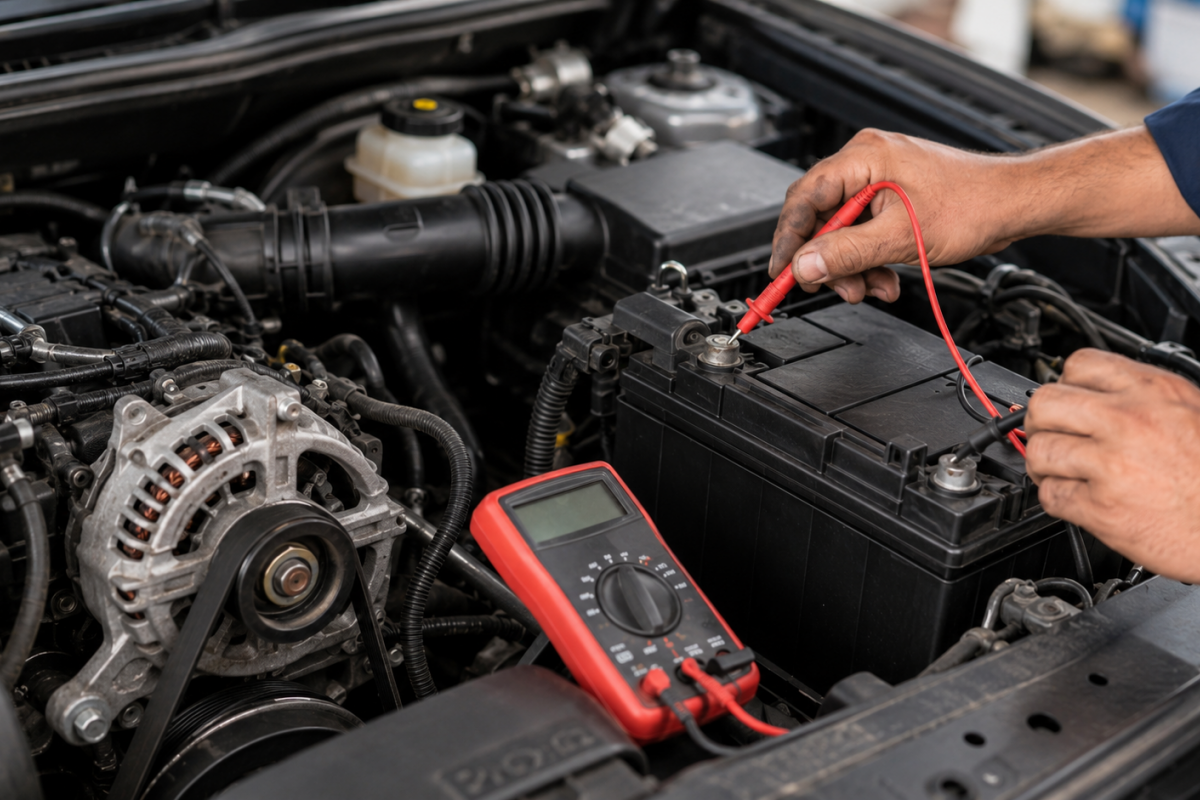
Automotive battery and alternator: what is the relationship between them?
It is common for a driver to experience difficulty starting, find the battery dead, and quickly conclude that it is time to replace it. However, the problem is not always the battery. The battery and the alternator work together to keep the vehicle's electrical system running correctly. When one of these components fails, the other ends up being affected as well, which can generate very similar symptoms and make diagnosis difficult. Therefore, understanding how the battery and alternator work together is essential to identify the source of possible failures and ensure that the electrical system operates safely and efficiently. When the battery needs to be replaced, it is also important to check whether the charging system is operating correctly to preserve the performance of the new component.
Continue reading
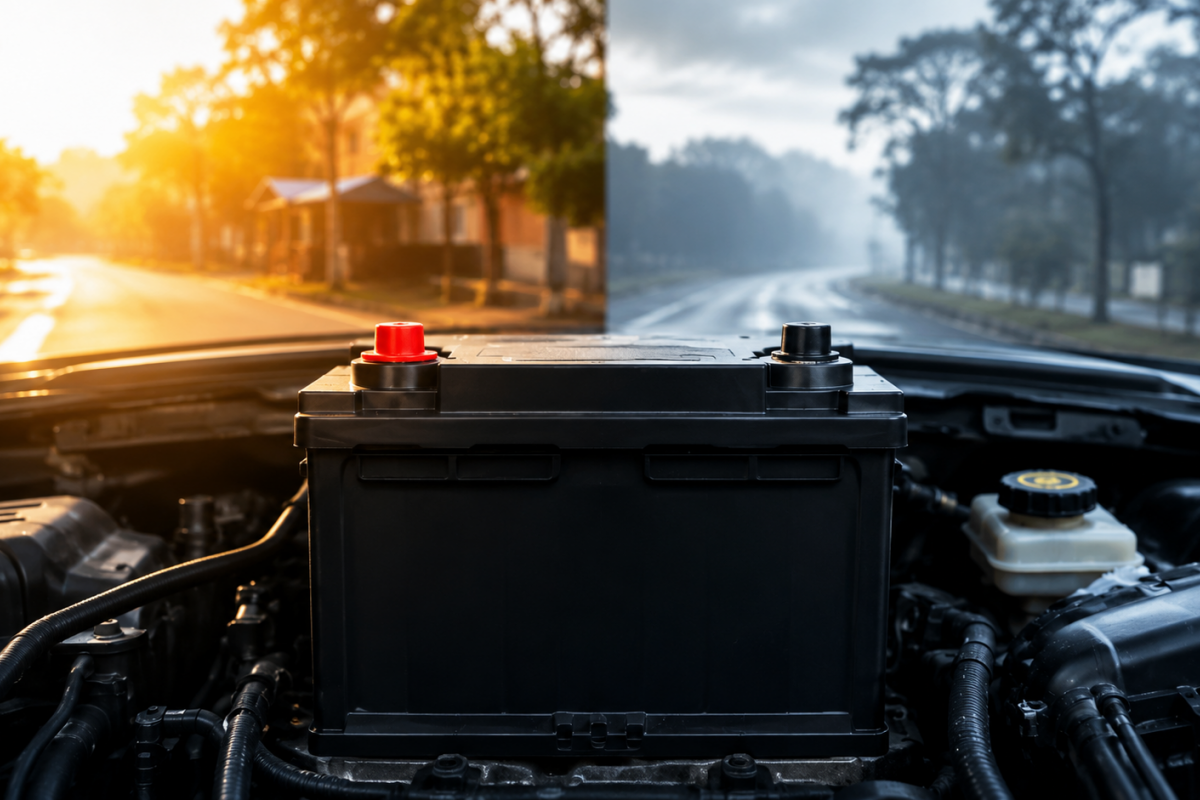
How temperature influences the useful life of the automotive battery
The automotive battery is constantly exposed to different environmental conditions. In some regions, intense heat predominates for much of the year. In others, lower temperatures become a challenge for the vehicle's electrical system. Although many drivers associate battery problems only with usage time, temperature is one of the factors that most influences its durability and performance. Both excessive heat and intense cold affect the chemical reactions that take place inside the battery, accelerating wear processes and reducing its ability to supply energy.
Continue reading